
|
28 June 1981: The Day A Nation was Martyred

 |
The summer of 1981 was the bloodiest season witnessed by the Islamic Republic of Iran who lost many of its high-ranking officials due to consecutive acts of assassination.
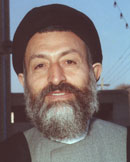
In two separate bombings conducted on 28 June and 29 August by the People's Mujahedin of Iran (PMOI), Iranian President (Muhammad Ali Raja'i), Prime Minister (Muhammad Javad Bahonar), Head of National Supreme Court (Ayatollah Seyyed Muhammad Beheshti), four ministers and counselors and 27 members of parliament were martyred. In other words, PMOI targeted the executive, judiciary and legislative branches in these attacks.
However, the terrorist organization carried out its most brutal crime against Iranian nation on 28 June 1981. The day before, Javad Qadiri, a PMOI operative, had made an unsuccessful attempt to Hojjat al-Islam Khamene'i's life.
At the night of 28 June, a powerful blast rocked Tehran and sent its terrorized citizens into the streets. The bombing was not conducted by the Ba'athist regime of Saddam Hussein but by the PMOI. The heinous crime was committed seven days after the terrorist organization declared armed struggle against the Islamic Republic of Iran and six days after Abolhassan Bani-Sadr was impeached and dismissed from presidency.
Ayatollah Beheshti and a number of Iranian officials, deputy ministers and parliamentarians were discussing internal issues when a powerful bomb went off at the headquarters of Islamic Republic Party (IRP) in Tehran and demolished the ceiling. The bomber was identified by the name of Muhammad Reza Kolahi, a PMOI operative who had secured a job in the IRP headquarters in Sarcheshmeh of Tehran.
Apart from Ayatollah Seyyed Muhammad Beheshti, the following lost their lives in the attack:
1. Hassan Abbaspour (Minister of Energy)
2. Muhammad Ali Fayyazbakhsh (Minister-Counselor of Welfare)
3. Mahmoud Qandi (Minister of Post, Telegraph and Telephone)
4. Mousa Kalantari (Minister of Road and Transportation)
5. Hojjat al-Islam Seyyed Muhammad Taqi Husseini Tabataba'i (Majlis Representative from Zabol)
6. Rahman Estaki (Majlis Representative from Shahr-e Kord)
7. Seyyed Reza Paknejad (Majlis Representative from Yazd)
8. Ali Reza Cheraqzadeh Dezfouli (Majlis Representative from Ramhormoz)
9. Seyyed Muhammad Baqer Husseini Lavasani (Majlis Representative from Tehran)
10. Shams al-Din Husseini Na'ini (Majlis Representative from Na'in)
11. Hojjat al-Islam Gholam Hussein Haqqani (Majlis Representative from Bandar Abbas)
12. Hojjat al-Islam Muhammad Ali Haydari (Majlis Representative from Nahavand)
13. Abbas Haydari (Majlis Representative from Bushehr)
14. Hojjat al-Islam Gholam Reza Danesh Ashtiani (Majlis Representative from Tafresh and Ashtian)
15. Hojjat al-Islam Seyyed Muhammad Kazem Danesh (Majlis Representative from Shush and Andimeshk)
16. Ali Akbar Dehqan (Majlis Representative from Torbat-e Jam)
17. Seyyed Abd al-Hamid Diyalameh (Majlis Representative from Mashhad)
18. Hojjat al-Islam Seyyed Fakhr al-Din Rahimi (Majlis Representative from Malavi District of Lorestan)
19. Seyyed Muhammad Javad Sherafat (Majlis Representative from Shushtar)
20. Mir Behzad Shahriari (Majlis Representative from Roudbaran)
21. Hojjat al-Islam Muhammad Hussein Sadeqi (Majlis Representative from Doroud and Azna)
22. Hojjat al-Islam Qasem Sadeqi (Majlis Representative from Mashhad)
23. Hojjat al-Islam Seyyed Nour al-Din Tabataba'inejad (Majlis Representative from Ardestan)
24. Hojjat al-Islam Muhammad Hassan Tebbi (Majlis Representative from Esfarayen)
25. Sayfollah Abdolkarimi Komleh (Majlis Representative from Langaroud)
26. Hojjat al-Islam Abd al-Vahhab Qasemi (Majlis Representative from Sari)
27. Hojjat al-Islam Emad al-Din Karimi Bijaninejad (Majlis Representative from Noushahr)
28. Hojjat al-Islam Muhammad Ali Montazeri (Majlis Representative from Najaf Abad)
29. Abbas Ali Nateq Nouri (Majlis Representative from Nour)
30. Mahdi Nassiri Lari (Majlis Representative from Larestan)
31. Hojjat al-Islam Ali Hashemi Senejani (Majlis Representative from Arak) [70 years old, the oldest of martyrs]
32. Javad Asadollahzadeh (Deputy Minister for Foreign Trade of Ministry of Commerce)
33. Ali Muhammad Majidi (Development Counselor to Minister of Interior)
34. Mahmoud Tafvizi Zavareh (Deputy Minister of Road and Transportation)
35. Gholam Ali Mo'tamedi (Deputy Minister for welfare and Cooperation of Ministry of Labor)
36. Muhammad Sadeq Eslami (Deputy Minister for Parliamentary Affairs of Ministry of Commerce)
37. Mahdi Aminzadeh (Deputy Minister for Domestic Trade of Ministry of Commerce)
38. Habibollah Maleki (Governor of Iranshahr)
39. Hashem Mo'ayyeri (Deputy Minister for Health Affairs of Ministry of Intelligence)
40. Iraj Shahsavari (Deputy Minister of Education)
41. Abbas Shahavi (Deputy Minister of Commerce)
42. Hassan Azodi (Deputy Minister of Culture and Higher Education)
43. Ali Akbar Fallah Shoureshani (Deputy Minister for Administrative and Financial Affairs of Ministry of Education)
44. Habibollah Mehmanchi (Deputy Minister for Coordination and Parliamentary Affairs of Ministry of Labor)
45. Seyyed Kazem Mousavi (Deputy Minister of Education)
46. Mohsen Mowla'i (Head of IRP Office in District 8)
47. Muhammad Pourvali (Head of IRP Students Bureau)
48. Reza Torabi (Head of IRP Students Propagation Bureau)
49. Seyyed Muhammad Paknejad (Member of Board of Directors of Paper and Wood Center)
50. Hassan Bakhshayesh (Member of IRP and Head of Construction Jihad Office in Tabriz)
51. Mahmoud Balagar (Head of IRP Audiovisual Unit)
52. Habibollah Mahdizadeh (Member of IRP)
53. Muhammad Ravaqi (Managing Director of Carpet Company)
54. Hassan Ejarehdar (Member of IRP Central Council and Chief Editor of Orvat al-Vosqa Weekly)
55. Abbas Ebrahimian (Member of IRP Public Relations and Provincial Affairs)
56. Muhammad Khoshzaban (Head of Friday Prayer Security Forces of Tehran) [19 years old, the youngest of martyrs]
57. Hojjat al-Islam Ali Akbar Eje'i (Member of IRP Political Office)
58. Hussein Akbari (Managing Director of Agriculture Bank of Iran)
59. Ali Derakhshan (Head of IRP Financial Affairs Office)
60. Seyyed Muhammad Mousavifar (Member of IRP)
61. Abbas Ershad (Deputy of Education Office of welfare Organization)
62. Ali Asqar Aqa Zamani (Member of IRP)
63. Mahdi Hajian Moqaddam (Head of IRP Engineering Unit)
64. Javad Sarafraz (Member of IRP Central Council)
65. Hojjat al-Islam Hussein Sa'adati (Head of IRP Provincial Training Unit)
66. Javad Maleki (Member of IRP Central Council)
67. Abd al-Hussein Akbari Mazandarani (Member of Agriculture five-Partite Board of Mazandaran Province)
68. Hadi Amini (Member of Engineering Unit of Islamic Engineers Party)
69. Towhid Razmjoumin (Member of Board of Directors of National Industrial Group)
70. Ali Akbar Salimi Jahromi (General Director of Administrative and Employment Affairs Organization)
71. Javad Sarhaddi (Managing Director of Urban-Rural Consumption Cooperative Organization)
72. Hassan Muhammad Eini (Member of IRP)
Two days after the attack, the bodies of martyrs were escorted to Behesht-e Zahra and buried in section 72 of the large cemetery. However, the first open session of Majlis was held three days later on 31 June when the empty seats of Majlis martyrs were marked by 27 wreathes of flower. Later on, a mausoleum was built to commemorate the event and Muhammad Ali Raja'i and Muhammad Javad Bahonar joined the martyrs of 28 June bombing.
In a message to the Iranian nation, Imam Khomenini wrote, "In this tragic event, Iranian nation lost 72 of its innocent [servants]; as many as 72 Martyrs of Karbala…. Beheshti lived an innocent life and died an innocent death. He was a thorn in the eyes of the enemies of Islam." In Imam Khomeini's view, "Beheshti was a nation."
In addition, some western researchers regretted Ayatollah Beheshti's death and stated that his administrative genius was the greatest blessing the Islamic Republic became deprived of.
Later on, the fourth week of June was called the Week of Judiciary Branch in Iran as Ayatollah Seyyed Muhammad Beheshti - Head of National Supreme Court and Head of Judiciary Branch - lost his life on 28 June 1981.
Mirza Baqer Aliyannejad
Translated by: Katayoun Davallou
|


